A week before the September 16 General Election, President Lazarus Chakwera appeared on the State broadcaster, accusing some bureaucrats of sabotaging the country’s fuel supply and promised to take action after the poll. The public address was screamed: “We will be back soon!” But he was back on air last Wednesday, conceding defeat to Democratic Progressive Party’s torchbearer Peter Mutharika, who won 57 percent of the vote.
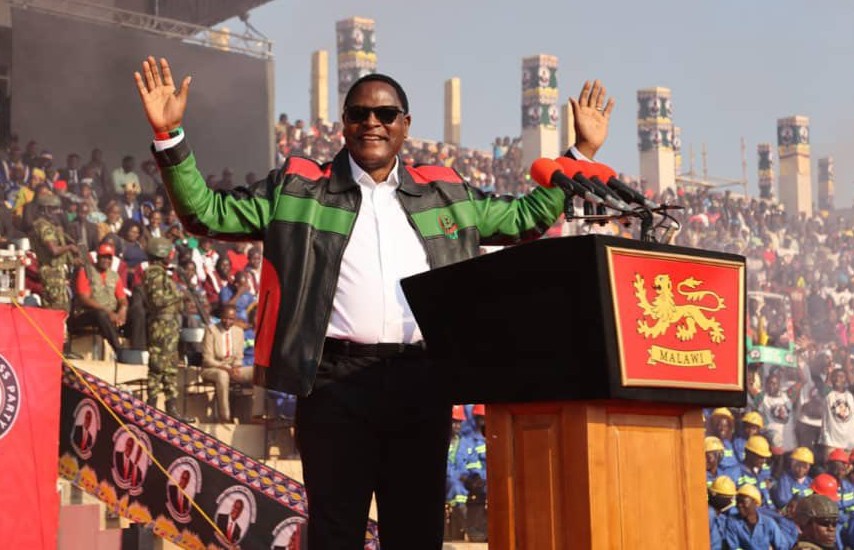
Our contributor WATIPASO MKANDAWIRE dissects 10 pivotal moments in Chakwera’s downfall.
From the court landmark ruling of 2019 to a business-as-usual attitude, Chakwera’s tenure has never been short of defining moments.
1. Landmark verdict: In 2020, the Constitutional Court judgement, which annulled Mutharika’s re-election in 2019 and ordered a fresh presidential election, provided a platform for Chakwera and MCP to become the preferred alternative to Mutharika and his DPP.
2. SKC factor: The Tonse Alliance agreement with UTM Party president Saulos Klaus Chilima provided Chakwera the legitimacy and numbers to win the presidency—and he conceded as much in his inauguration, only to tear it apart later.
3.First warning: Chakwera’s first Cabinet and public appointments provided a wake-up call for Chilima and UTM that they had been sold hot air and the MCP leader could not be trusted.
Chilima was not appointed Minister of Finance as per their “secret agreement” and most high-level appointments, including the first Secretary to the President and Cabinet, were made without consultation with Tonse Alliance partners as originally agreed.

The world was stunned when Chakwera, who promised an end to nepotism, appointed his daughter, Violet, as Malawi’s High Commissioner in London, which attracted questions from the BBC.
4. Assemblies of God Church connection: It is alleged that the appointment of members of the Pentecostal church he once headed to key positions, especially at the State House, created an ‘inner circle’ or parallel Cabinet that became influential in key decisions, by-passing the government machinery. The jury is still out on whether their influence was really negative.
5. Family man: Lack of strategic and deeper thinking on how to use family members within the administration may have contributed to some unproductive decisions.
Whereas family support is critical in politics and perhaps helped Chakera deliver mesmerising speeches, it may have crowded out useful advisers, denying him official and pertinent advice when it matters. Family can make or break a presidency.
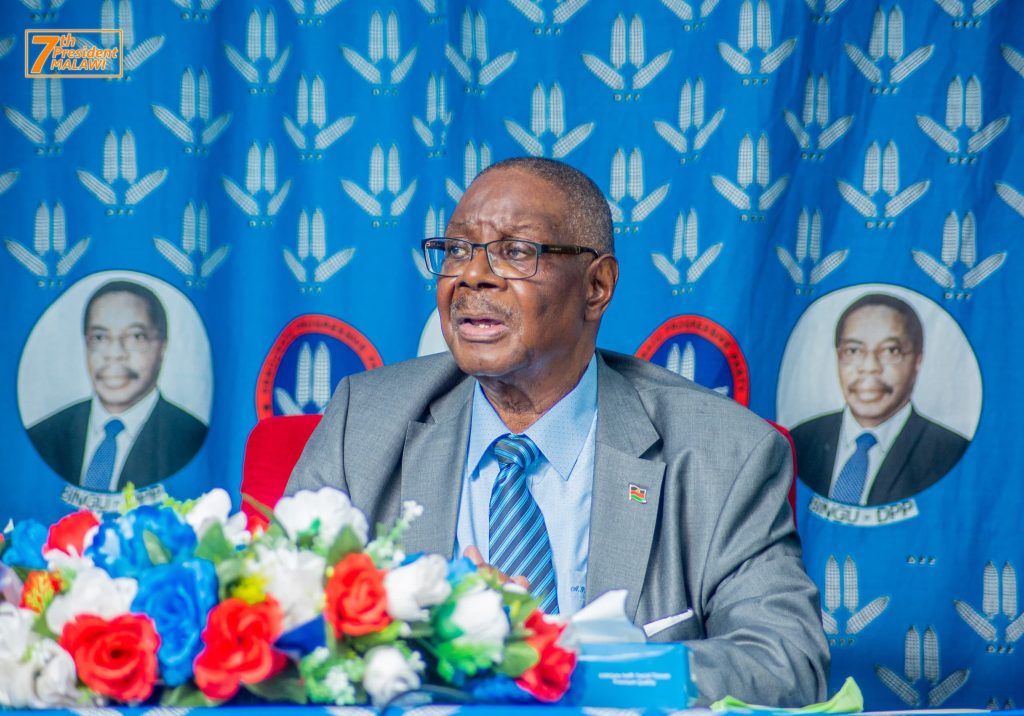
6. Disastrous term: The Covid-19 pandemic and Cyclone Freddy contributed greatly to the fiscal and structural challenges the Chakwera administration faced.
His regime’s inability to provide effective leadership in managing the country’s limited resources and donations contributed to the negative impact on the economy as well as the loss of trust by both the citizenry and some development partners.
7. Presidency, Cabinet and slow decisions: In times of fiscal and structural challenges, a country needs competent and decisive leadership with integrity and eyes on the bigger picture.
This was lacking at most levels of the Chakwera leadership.
The most visible was his inability to make tough and simple decisions in time. Examples are many. They include his failure to act on the reported abuse of Covid-19 resources, failure to implement the public service reforms and take action on recommendations of various commissions, including the reforms led by Chilima and investigation into the military plane crash which killed the Vice-President and eight others on June 10 2024.
Despite talking tough on many glaring blunders by public officials, including suspected fraud, abuse and corruption, few public officials were reprimanded and no significant changes were made.
The UK Government’s inquiry into Sattar’s money laundering cases implicated several high-level officials in Malawi, exposing the vulnerability of elected officials and the conflict of interest that would arise. This followed the rumours that several politicians—both in government and the opposition—had received ‘gifts’ from Sattar, who dominated public contracts in Malawi. The cases, including Chilima’s corruption trial, never saw the light on technicalities.
8. Neglected reforms: Civil service and the public service delivery are the lifeblood of Malawi due to the size of the public sector and its influence on the macroeconomics of the country.
In the past five years, the civil service lacked potent leadership and clear direction. Proposed public sector reforms, including those championed by Chilima, were shelved.
Civil service non-performance and incompetent leadership in government ministries, departments and agencies contributed to the weak performance of the economy, leading to low growth, high inflation (over 27 percent), mounting foreign and domestic debt, forex scarcity, food insecurity, increased public expenditure and termination of the International Monetary Fund’s Extended Credit Facility.
9. Chilima’s Death and slow response: For a struggling economy to lose its Vice-President in a plane crash, this would bring the people closer during the mourning period.
But it was the reaction or inaction by the Chakwera-led State machinery that made the country further lose its trust and faith in the outgoing leader.
The leadership crisis includes the infamous four-hour wait to determine the whereabouts of the missing plane, uncoordinated plane search, the misleading messaging, inconclusive State-sponsored commission of inquiry and, most importantly, lack of punitive action or corrective measures for those who either neglected their duties or took wrong decisions that contributed to the crash.
Chakwera ignored calls to action and feigned ignorance of system failure despite glaring anomalies exposed by various inquiries.
10. Forex, fuel, fertiliser: For the just-ended election, worsening economic hardship was the elephant in the room. The inability to access the three Fs affected both the rich and the poor. For the poor majority, life became unbearable, with cost of living rising every day and many could not afford fertiliser for their crops, food for their families and transport due to lack of fuel.
For businesses, the impact of the missing Fs created an unpredictable environment that made their operations difficult. High inflation, lack of forex, fuel queues…made it hard for businesses to provide goods and services.
No honeymoon
Chakwera’s rejected presidency has definitely faced some of the most difficult challenges ever experienced by Malawians in recent history, including climate change, Covid-19, a global economic meltdown, aid cuts and geopolitical conflicts that have affected most developing countries.
However, the outgoing leader and his disbanded Tonse Alliance continued doing business as usual as if nothing had changed and the country was not vulnerable to these occurrences. They ignored numerous advice to tighten their belts and exemplify the cost-cutting measures they prescribed for everyone as part of the resilience efforts. The business-as-usual attitude led to many embarrassing moments, including the glorification of Bridgin Foundation’s non-existent funding, misprocurement of fertiliser from a London butchery and other dubious deals.
The economy grew at 4.1 percent annually between 2011 and 2019 slowed down to two percent by 2020. Public debt rose to 88 percent of the GDP by 2024 and the fiscal deficit reached 10.5 percent of GDP.
With each ministry seemingly operating as an island or silo, it led to conflicting policy choices, massive domestic borrowing and a suppressed private sector starved of forex and liquidity.
The incoming administration faces the unsurmountable task of stabilising the economy and developing growth mechanisms.
This will not be easy. With a population, which has struggled for five years, expecting miracles overnight, there will be no honeymoon to celebrate victory.
For Mutharika and his team, it will be time to reach out to everyone to rebuild the country, irrespective of party colours, religious affiliation or family. They may as well treat their first year back to power as a time for mourning, not a honeymoon.
The author is a Malawian economist who works in the UK. He first published the article on Facebook.